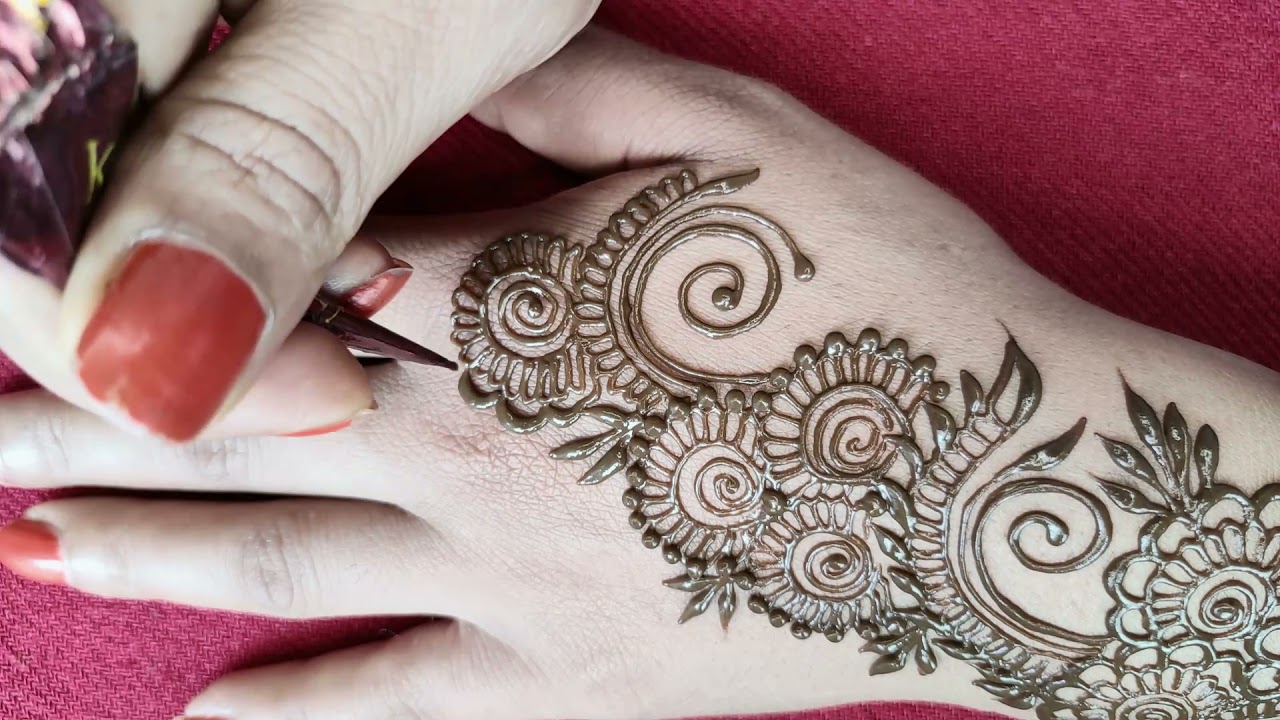
Henna is a plant that is adored all over the world. It is known by many names, such as Mehndi, Nacre, and Khayyam. It is widely used for making a range of hair care and skin product, hair extensions, and is also used to decorate clothes and accessories for the home. It has been used for thousands years as a dye for dying cloths, as well as for creating beauty products. It's safe to say that most individuals have at least been aware of tattoos made of henna, however, very few people know much more about them other than the basics.
Henna designs are a result of India but the method of using the designs is Western. Henna tattoos have been introduced to West by the British during their time in India. The vibrant designs can be applied to nearly any body part however feet and hands are the most popular places. Henna tattoos fade quite quickly, however they are not usually able to last for long. Additionally, henna may cause an allergic reaction in sensitive skin. Therefore, it is advised to always be applied following the package directions.
Henna designs were first popular with those of lower classes when they were used as a method to enhance their appearance in the ancient Indian customs. Henna tattoos are used ever since as a way for tying clothing or give a pop of color and flair to everyday wear. The rich and powerful would have much more elaborate henna designs on their feet and hands and feet, whereas those of those living in the midst of the village were simpler. The rich and powerful used them Simple Arabic Mehndi however, since it was considered to be taboo to not wear the henna.
Black tattoos of henna have always been popular because they are easily visible underneath clothing. Henna has become such a common skin art form that almost all tribes, immigrant groups and religions make use of it. It's used as a dye, as well as a means to put spiritualism into one's life. Through the use of henna in ceremonies of religion, those who follow of this faith are able to develop deeper ties to their beliefs and practices. The henna dye helps them get their attention on their spirituality, and assists them in focusing on their spiritual goals.
Henna has been used for centuries to decorate the face of important people in the middle east and especially in the sharia law of India. Henna patterns on the face of a bride are important and form a significant element of wedding ceremonies across the region of the middle eastern. It is also a popular custom of applying henna to palms of hands. In the presence of henna on the hands represents luck and prosperity, and is believed to keep against evil spirits.
Henna is still a popular method of design for the body within India, and the method for application has not changed over the years. If an Hindu woman is getting ready for her body to be decorated it is first necessary to wash her feet and hands using soap and water, then mix a mixture of henna powder and milk. She will then use this blend to decorate her body. Henna paste is painted onto the body through the addition of powder from her hands, making an extremely thick paste that can be used it is applied to the face. It could take many times to get the desired look and is a vital part of the traditional Indian practice of henna.
Henna tattooing is growing in popularity as a method to decorate the body. Henna design can be combined other kinds of ink to create a more intricate design, or to create something totally distinctive. Henna applies by rolling powder of henna into a ball, then pressing the ball against the skin on the arms and hands. The person who wishes to apply to design the tattoo will then put the henna powder in his hands and draw or paint the design on the powder. Many people choose to purchase tattoo designs using henna from magazines, while some prefer to create their own henna tattoo themselves.
Henna tattoo designs are prevalent among South Asian American, Chinese as well as European American people. Henna tattoos have a ceremonial significance in Hinduism in addition to having significant religious meaning across other religious traditions. Henna tattoos are used for many years and were used by the early Egyptians. They're still very popular in India and are typically used to decorate the sacred cemeteries and temples. Henna styles are sought-after by modern artists. Many of these artists specialize in designs using henna, and can be seen advertising them on the Internet.